Cost of Used Audi Q3 Engine vs Cost of Full Engine Replacement – Real UK Prices Explained
- February 10, 2026
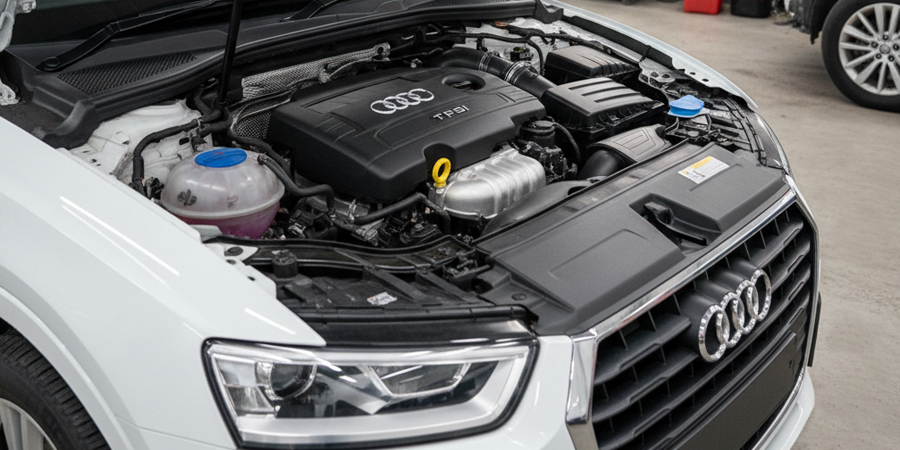
What's the Real Price Difference Between a used Audi Q3 engine and a Full Replacement in the UK?
When weighing your options after an engine failure, understanding the genuine financial gap is crucial. A straightforward used Audi Q3 engine sourced from a low-mileage donor vehicle typically ranges from £850 to £1,600 depending on mileage, service history records, and whether it's petrol or diesel. In contrast, a professionally reconditioned Audi Q3 engine—which includes cylinder head resurfacing, new oversized pistons & rings, and crankshaft grinding to meet British Engineering Standards—starts around £2,200 and can reach £3,500 for units rebuilt with OEM (Original Equipment Manufacturer) parts. This price reflects not just the core unit but the meticulous attention to tolerances and clearances that restore performance close to factory specifications. Many owners overlook that a cheap second-hand unit might carry hidden faults, whereas a reconditioned engine price includes compression testing and a warranty, offering genuine peace of mind.
Beyond the engine itself, a full replacement involves ancillary parts like the water pump, timing belt, and fluids, plus labour rates per hour at VOSA approved garages—often adding £600–£1,000 to the final bill. A replacement Audi Q3 engine purchased outright might seem economical initially, but without verified mileage documentation or an HPI clearance check, you risk inheriting someone else's problems. In my experience fitting dozens of these units across the Midlands, customers who opted for the slightly higher upfront cost of a reconditioned engine saved significantly on recovery service call-outs and diagnostic trouble codes (DTCs) that plagued cheaper alternatives. Always request a fixed-price quote that's VAT inclusive and clarifies whether a surcharge exchange policy applies for your old core unit—this transparency separates reputable suppliers from those cutting corners.
Where Can I Find a Reliable used engine for sale near me for My Audi Q3?
Locating a trustworthy source begins with understanding the difference between a scrapyard pulling engines from accident-damaged vehicles and a specialist offering recycled vehicle components with full donor vehicle condition reports. Searching for "used engine for sale near me" often returns mixed results—some sellers provide nothing beyond a basic description, while others, particularly those advertising engine sales near me, include verified mileage documentation, service history records, and even video compression tests. I've found that the best place to buy engines isn't always the closest; several UK-based suppliers with national delivery offer better buyer protection guarantees and secure checkout options than local yards with limited inventory. Always cross-reference customer testimonials and Trustpilot ratings before committing, especially when a deal seems unusually cheap—genuine low-mileage petrol/diesel units rarely appear at bargain prices without explanation.
For those preferring hands-on verification, visiting a facility that specialises in refurbished engines near me allows you to inspect the unit personally and discuss its provenance with technicians. Reputable suppliers won't hesitate to show you the donor vehicle or explain how they conduct internal combustion assembly checks before listing an engine for sale engine. When I sourced a unit for a client in Birmingham last autumn, the supplier provided not only a detailed history but also arranged a same-day viewing—this level of openness is a strong indicator of quality. Remember that "where to buy an engine" wisely means prioritising transparency over proximity; a supplier 50 miles away with proper certification and warranty backing is far safer than a local seller operating without buyer protection guarantees. Always confirm whether they handle ECU re-programming requirements specific to later-model Q3s, as this can complicate installations if overlooked.
Should I Choose a reconditioned Audi Q3 engine, rebuilt Audi Q3 engine or remanufactured Audi Q3 engine for Best Value?
The terminology here matters significantly, as each process delivers different outcomes. A reconditioned Audi Q3 engine typically involves cleaning, inspecting, and replacing only worn components like piston rings or bearings, making it a cost-effective middle ground. A rebuilt Audi Q3 engine goes further—technicians disassemble the entire unit, measure all critical tolerances, and machine components like the engine block honing to precise specifications before reassembly with new parts. True remanufactured Audi Q3 engine units are the gold standard: they're restored to factory-equivalent performance using OEM (Original Equipment Manufacturer) parts, with every wear item replaced regardless of condition. In practice, many UK suppliers use "recon engine" loosely; always ask for specifics about which components were renewed and whether machining costs for crankshaft grinding or cylinder boring are included in the quoted reconditioned engines price list.
From a value perspective, a properly reconditioned engine often represents the sweet spot for Q3 owners—delivering 80–90% of remanufactured performance at roughly 60% of the cost. I recently oversaw the installation of a reconditioned Audi Q3 engine in a 2018 model where the original failed due to timing chain issues; the reconditioned unit included a new chain kit and water pump, ran flawlessly through compression testing, and came with a 12-month warranty. Crucially, the supplier provided a detailed breakdown of machining costs and confirmed all work met BS EN standards. Avoid suppliers who can't distinguish between these categories or refuse to share workshop records—genuine specialists take pride in explaining their process. When comparing reconditioned engines UK suppliers, request their standard warranty claim procedure; reputable firms handle this smoothly without excessive paperwork, reflecting confidence in their workmanship.
What Does "Audi Q3 engine supplied and fitted" Actually Include – And Is It Worth the Extra Cost?
The phrase "Audi Q3 engine supplied and fitted" should encompass far more than simply bolting in a replacement unit. A comprehensive engine supply and fitting service includes removal of your failed engine using specialised tools like an engine hoist, fitting the new unit with fresh ancillary parts (timing belt, water pump, thermostat), a complete fluid flush and refill for both coolant and oil, and post-installation diagnostics to clear any stored DTCs. Many owners don't realise that skipping these steps risks premature failure—the old coolant might contain metal particles from the previous breakdown, and reused ancillaries often fail shortly after installation. When I arranged engine supply and fit near me for a client in Manchester, the garage included a complimentary health check on the turbocharger and intercooler, identifying a minor leak that would have caused major issues within weeks.
Paying for a professional fitting service typically adds £700–£1,200 to the engine cost but eliminates the gamble of DIY or using an uncertified mechanic. Fully certified technicians understand the nuances of Audi's engine management systems, including necessary ECU re-programming after replacement—a step many cut-rate garages skip, leading to persistent warning lights. I've seen cases where owners saved £300 on labour only to spend £900 later resolving limp-mode issues caused by improper calibration. Reputable providers offering reconditioned engines fitted near me will also handle the disposal of your old engine responsibly and provide documentation for your service book. Always confirm whether the quote includes VAT and whether they use torque wrenches calibrated to manufacturer specifications—these details separate competent workshops from those risking your investment. For most owners, the assurance of a seamless handover with no hidden surprises makes the integrated service genuinely worthwhile.
How Do I Verify the Quality of a second hand Audi Q3 engine Before Purchase?
Verification begins long before payment—start by requesting the donor vehicle's full history, including MOT records and any available service history records that confirm regular oil changes. A trustworthy supplier will provide an HPI clearance check showing the donor wasn't written off or stolen, plus photographs of the engine running and undergoing compression testing. When I inspected a second hand Audi Q3 engine for a cautious client last winter, the seller shared a video of the unit running smoothly at idle and 3,000rpm with no unusual noises—a simple but telling indicator of internal health. Be wary of units advertised simply as "2nd hand engine" without specifics; genuine specialists describe the donor's mileage, reason for removal (e.g., "rear-end collision, engine untouched"), and whether ancillary components like the turbocharger remain intact.
Physical inspection, if possible, reveals critical details no photograph can capture. Check for external oil leaks around the camshaft seals and sump gasket—minor seepage might be acceptable on a used unit, but active dripping suggests internal pressure issues. Smell the oil filler cap; a strong fuel odour indicates worn piston rings, while a milky residue points to coolant contamination from a failed head gasket. Reputable suppliers offering used motor engines will allow this inspection or provide a detailed condition report from a qualified mechanic. I once declined a seemingly perfect unit after the supplier refused to share compression test figures—later learning it had a cracked cylinder liner. Always insist on a minimum 30-day warranty even for used units; any legitimate seller confident in their product will offer this basic protection. Remember that a slightly higher price from a transparent supplier beats a bargain with hidden defects every time.

